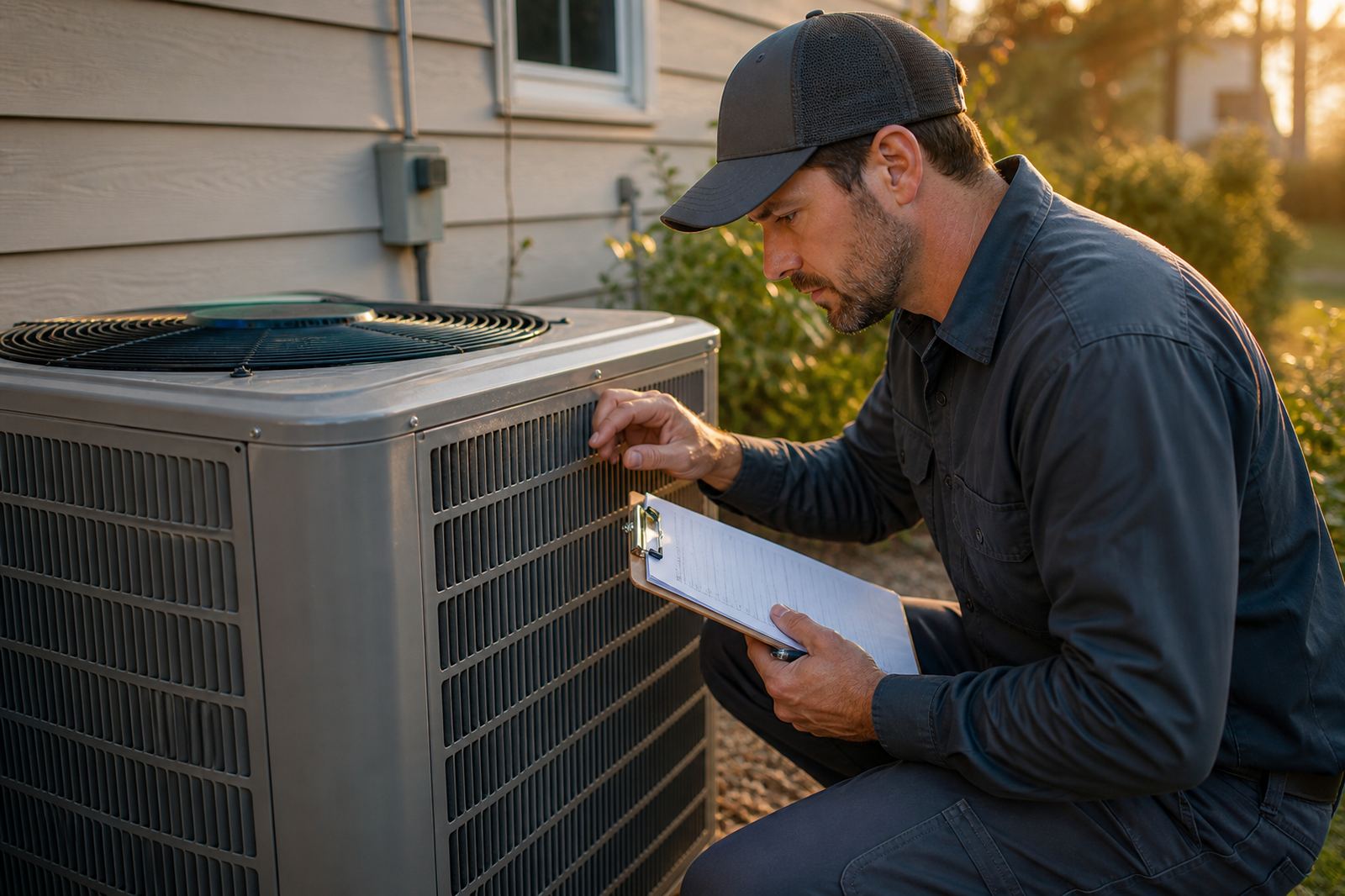

One-off repair businesses live on the phone. Demand spikes when equipment fails, then goes quiet. A solid field service maintenance plan flips that pattern: customers stay on a predictable visit cadence, crews get denser routes, and revenue is less dependent on the next emergency.
ServLoom’s residential positioning for recurring maintenance is explicit—plan-based scheduling, reminder automation, route efficiency, and visibility into who is due—because those are the operating pieces that make plans profitable, not just marketed.
What a maintenance plan should include
Keep the offer simple enough to explain in one conversation:
- Named visits per year (for example, spring and fall HVAC checks)
- What is included vs. billable extras
- Response priority for members during peak season (if you offer it)
- How reminders and booking work
- Renewal date and cancellation terms in plain language
Package plans around outcomes customers already understand: fewer mid-season failures, documented upkeep for warranties, and preferred scheduling—not a laundry list of obscure checklist items.
Sell at the moment of trust
The best time to introduce a plan is after a successful repair or install—when the homeowner has felt the cost of reactive service. Train techs and CSRs on a short script:
- Summarize what failed and why periodic care reduces that risk.
- Offer one recommended plan, not five confusing tiers.
- Capture interest in the same system as the job record so follow-up does not die in a notepad.
Professional quotes and estimates help when a plan includes optional upgrades. CRM & sales keep the opportunity attached to the customer instead of living in someone’s inbox.
Operate the plan like a product, not a spreadsheet tab
Plans fail operationally when renewals, due dates, and routes live in separate lists. Aim for:
- Automated due reminders so customers rebook before season peaks
- Route-friendly batching of nearby maintenance stops
- Clear membership status on the job so techs know entitlements on site
- Renewal pipeline 30–45 days before expiration
That is the same shape as ServLoom’s recurring maintenance capabilities: reminders, plan-based scheduling, and retention visibility for customers who are due before revenue slips. Pair it with scheduling that handles recurring visits without manual follow-up lists.
Metrics that actually matter
- Active plans vs. last quarter
- Plan visit completion rate
- Average revenue per plan member (including extras)
- Emergency call rate for members vs. non-members
- Renewal rate
Avoid vanity dashboards. If renewals are weak, fix reminder timing and the member experience before adding more plan SKUs.
FAQ
Should every trade offer annual plans?
Not identically. HVAC and pest control map cleanly to seasonal cadence. Plumbing and electrical may sell inspection or safety packages instead. Match the cadence to real equipment needs.
Do plans cannibalize emergency revenue?
They usually replace chaotic emergency spikes with steadier work and higher lifetime value. Track both streams instead of assuming one destroys the other.
Conclusion
A field service maintenance plan is a product: clear scope, sold at the right moment, scheduled on routes, reminded automatically, and renewed on purpose. That is how one-off repairs become repeat revenue without adding a second office team.
Read the Growth Guide, explore recurring maintenance, check pricing, or book a demo. Related reading: customer communication.